


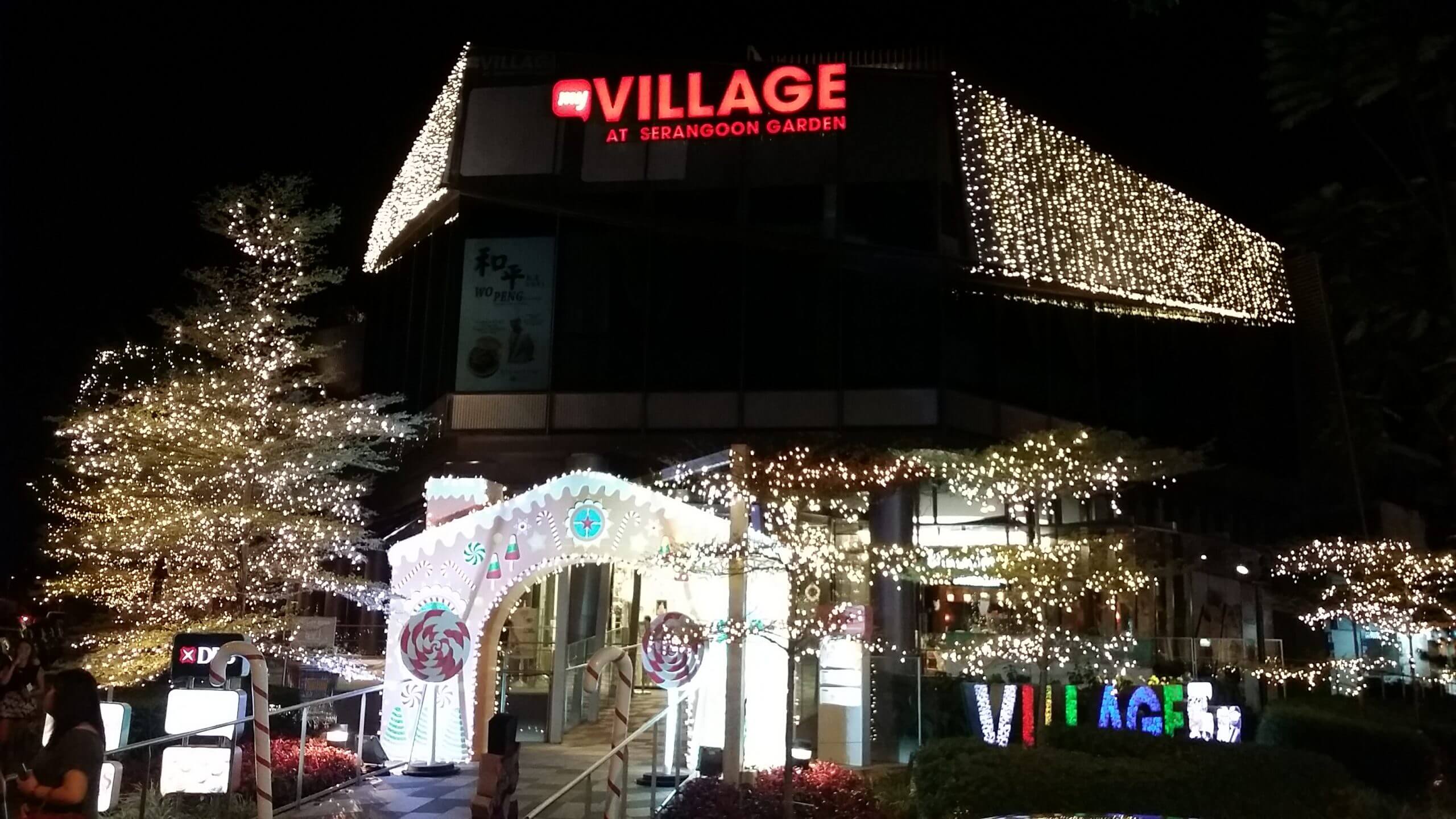
Outdoor lighting plays a crucial role in enhancing the beauty and functionality of any outdoor space. Whether you are planning an event, decorating for the festive season, or simply looking to improve the aesthetics of your home, selecting the right type of lighting is essential. This guide will walk you through the different types of outdoor lighting available and provide practical tips on how to choose the best options for your needs.
Understanding the Importance of Outdoor Lighting
Outdoor lighting not only adds visual appeal but also improves safety and security. Proper lighting can highlight architectural features, illuminate pathways, and create a warm and inviting atmosphere for gatherings. For festive occasions, outdoor lighting becomes even more significant as it sets the mood and enhances the overall ambience of the event.
Types of Outdoor Lighting Provided by S-Lite Group
- Festive Lighting: Decorative lighting is specifically designed for celebrations like Christmas, weddings, and other special events. These lights can include string lights, fairy lights, and specialized decorative fixtures that create a magical environment.
- Event Lighting: Tailored lighting solutions for events, including spotlights, floodlights, and ambient lighting that can be customized according to the theme and scale of the event.
- Architectural Lighting: This type of lighting focuses on highlighting the architectural elements of buildings and structures. It is often used in commercial spaces or high-end residential projects to enhance the visual appeal during nighttime.
Tips for Selecting the Right Outdoor Lighting
Selecting the right outdoor lighting can be overwhelming, given the variety of options available. However, following these tips can help you make an informed decision:
- Consider the Purpose: Before choosing any lighting, consider the purpose it will serve. Are you looking to enhance security, create ambience, or highlight a specific feature? Your goal will guide your choice of lighting.
- Choose the Right Brightness: Different areas require different levels of brightness. For instance, pathway lights should be bright enough to guide safely, while ambient lighting around a seating area can be softer and more subtle.
- Match the Lighting Style to Your Space: Ensure that the style of lighting complements the architecture and design of your outdoor space. For example, modern fixtures may look out of place in a rustic garden.
- Energy Efficiency: Opt for energy-efficient lighting solutions such as LED lights or solar-powered lights. These options not only reduce energy consumption but also have a longer lifespan.
- Weather Resistance: Outdoor lighting fixtures should be durable and weather-resistant to withstand the elements. Look for fixtures with a high IP rating, which indicates their level of protection against water and dust.
- Plan for Maintenance: Consider the ease of maintenance when selecting outdoor lighting. Some fixtures may require more frequent cleaning or bulb replacements, so choose options that fit your maintenance preferences.
- Use Layers of Lighting: Combining different types of lighting can create a more dynamic and visually appealing outdoor space. For instance, you can use pathway lights for safety, spotlights to highlight key features, and string lights for ambiance.
- Think About Control Options: Modern outdoor lighting often comes with various control options, including timers, dimmers, and smart lighting systems that can be controlled via smartphone apps. These features can add convenience and flexibility to your lighting setup.
- Safety First: Ensure that all outdoor lighting is installed safely, particularly when dealing with electrical wiring. It may be best to hire a professional for installation, especially for more complex setups.
- Test Before You Commit: If possible, test different lighting setups in your space before making a final decision. This will give you a better idea of how the lighting will look and function in your outdoor area.
The Role of Festive Lighting in Outdoor Spaces
Festive lighting is a key component of outdoor decorations, especially during the holiday season. Whether you’re planning a Christmas display, a wedding reception, or a themed event, festive lighting can transform your outdoor space into a magical setting. Here are some popular types of festive lighting:
- String Lights: Versatile and easy to install, string lights can be draped across trees, fences, and pergolas to create a festive atmosphere. They come in various colors and styles, making them perfect for any occasion.
- Projection Lights: These lights project patterns or images onto surfaces such as walls or the ground. They are often used for holiday decorations, projecting images like snowflakes, stars, or festive messages.
- Lanterns: Lanterns add a traditional and elegant touch to outdoor spaces. They can be hung from trees, placed on tables, or lined along pathways to create a warm, inviting glow.
- LED Candles: Safe and convenient, LED candles provide the look of real candles without the risk of fire. They are perfect for adding a soft, romantic ambiance to outdoor gatherings.
- Festive Figurines: Light-up figurines, such as reindeer, snowmen, or holiday characters, can be placed in your yard or garden to add a whimsical touch to your festive decorations.
Practical Considerations for Outdoor Lighting
When planning your outdoor lighting, consider the following practical aspects to ensure your setup is both functional and visually appealing:
- Power Source: Determine whether your lights will be powered by electricity, solar energy, or batteries. Each option has its advantages and limitations, so choose based on your specific needs and the layout of your space.
- Placement: Carefully plan where each light will be placed to maximize its effect. For instance, place pathway lights at regular intervals to ensure even illumination, and position spotlights to highlight the most important features.
- Budget: Outdoor lighting can range from affordable to high-end, so establish a budget before you start shopping. Remember to factor in the cost of installation and any additional accessories you might need.
- Time of Year: Consider how your lighting needs might change throughout the year. For example, you may need brighter lights during the darker winter months and softer, ambient lighting during summer evenings.
Conclusion
Outdoor lighting is a vital element in creating an inviting, safe, and aesthetically pleasing outdoor space. Whether you’re enhancing your garden, preparing for a festive celebration, or planning an event, the right lighting can make all the difference. By understanding the different types of outdoor lighting available and following the tips provided, you can create a lighting setup that perfectly complements your space and meets your needs. Remember to consider factors such as purpose, style, energy efficiency, and maintenance when making your selections, and don’t hesitate to experiment with different lighting combinations to achieve the desired effect.


